
DSP vs. Ad Networks: What's the Real Difference for App Marketers?
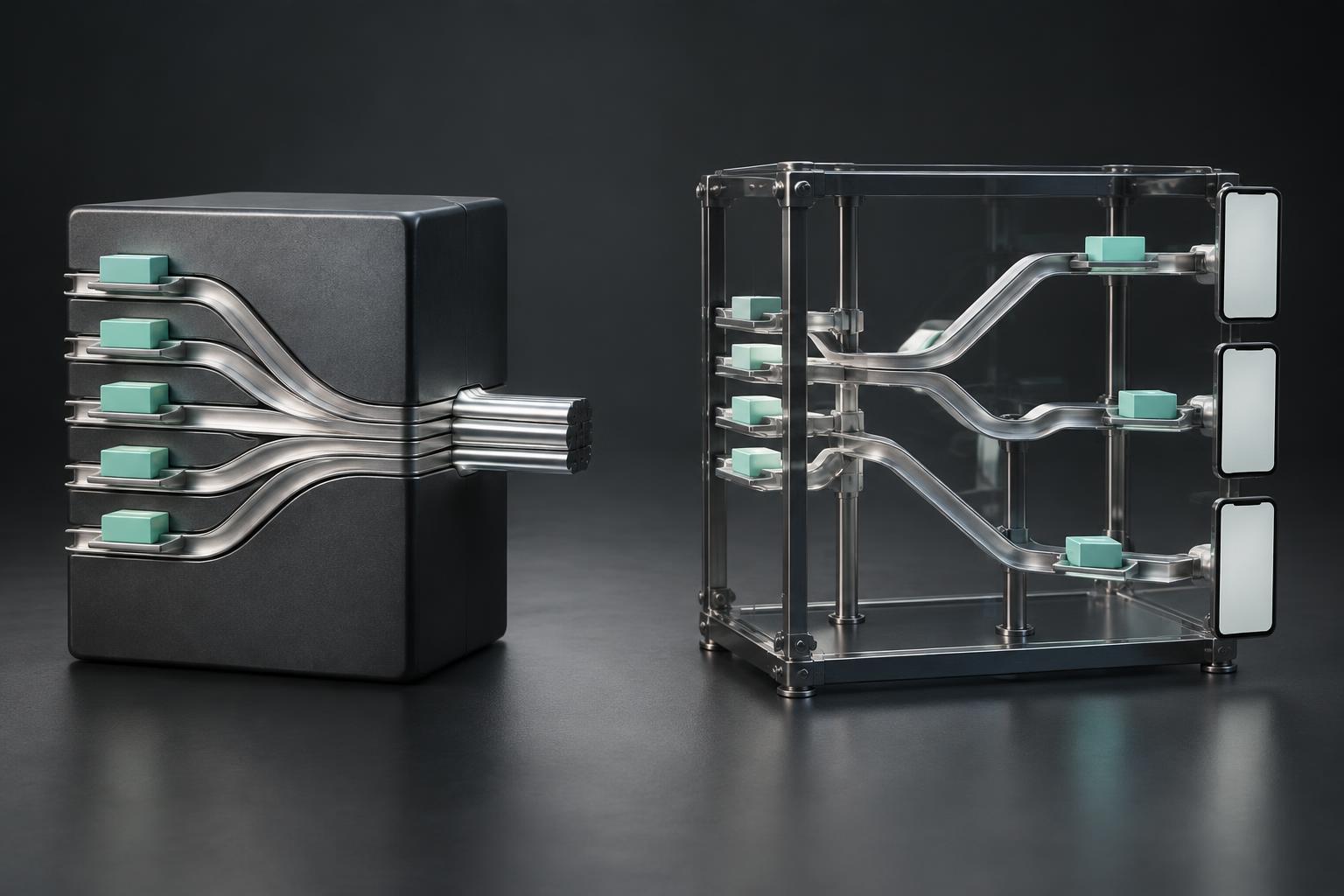
'We buy mobile traffic' can mean a dozen different things. Behind the same promise sit ad networks, exchanges, DSPs and hybrids — with fundamentally different economics, transparency and control. Understanding the difference is worth real money.
The ad network model
A traditional ad network aggregates publisher inventory and resells it. You buy a package — often a blended CPI — and the network decides where ads actually run. It's simple, and for some use cases it works. The tradeoffs: limited visibility into sources, margins you can't see, and optimization that serves the network's economics as much as yours.
The DSP model
A DSP doesn't own or resell inventory — it buys on your behalf, impression by impression, through real-time auctions across many exchanges. Every buying decision is made for your campaign's goals, and every source is visible in reporting.
The economic difference is alignment: a network profits from the spread between what it pays publishers and charges you. A DSP's incentive is to win the right impressions at the right price, because its value is the performance it delivers.
Where exchanges fit
Exchanges are the marketplaces — the plumbing where publishers offer impressions and buyers bid. A DSP connects to many exchanges at once, which is what gives programmatic its reach: one campaign, thousands of apps, priced individually.
This is also why supply quality is a DSP question, not a network question. Ask which exchanges your campaigns access and how inventory is filtered — the answer defines your ceiling.
How to choose
If you need simplicity above all and run modest budgets, a good network can be enough. If you need scale, source-level transparency, and optimization toward real business outcomes — the DSP model is built for exactly that. Most mature growth teams end up there; the question is usually when, not whether.
Key takeaway
Networks resell inventory; DSPs buy it for you in real time. When transparency, scale and aligned incentives matter, the buying model is the decision.
Related articles
Want to put this into practice? Talk to the team behind Adora DSP.
Get Started