RTB Explained: What Actually Happens in the 100ms Before Your Ad Shows
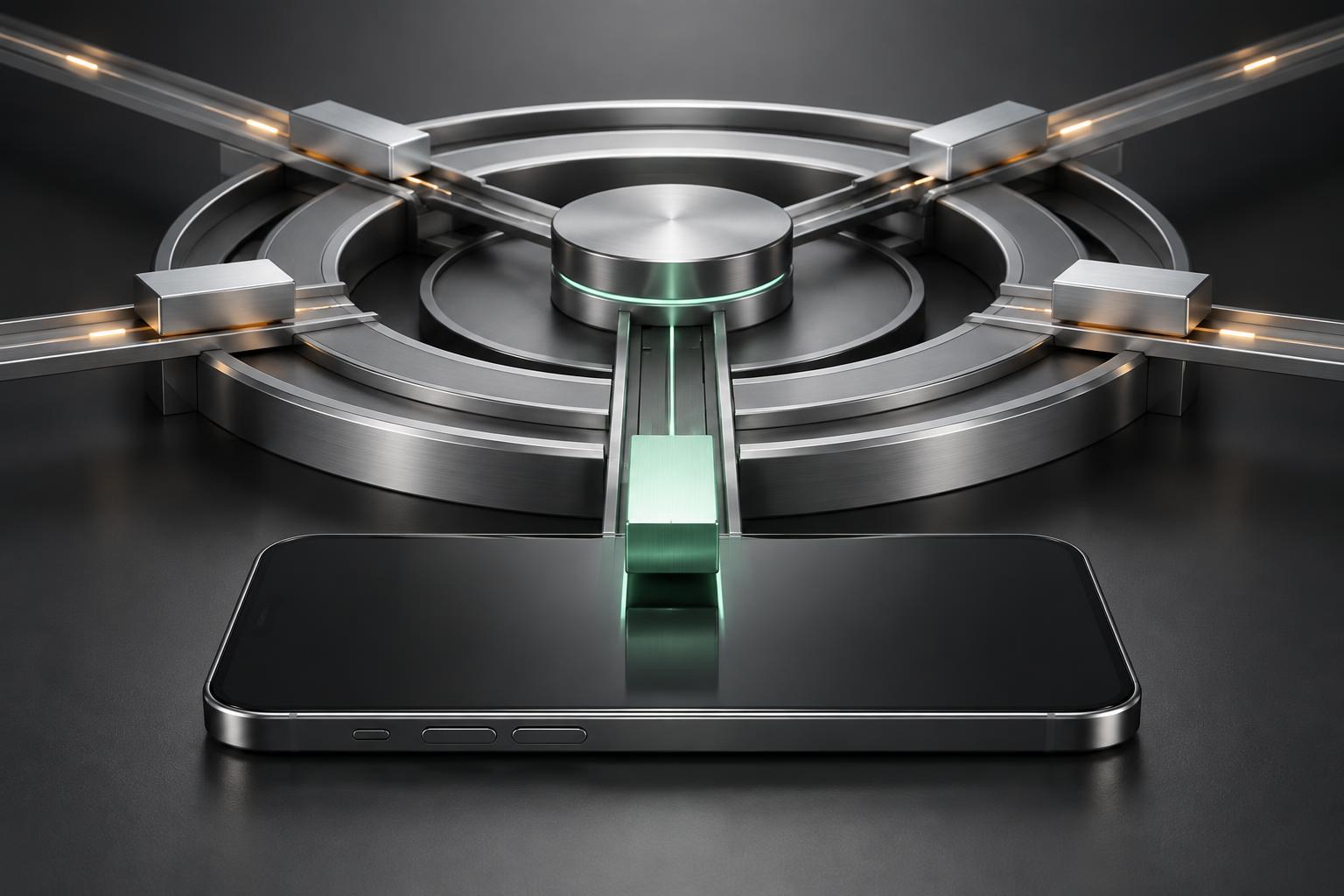
Every time an ad appears in an app, an auction just happened. Between the moment a placement opens and the moment a creative renders, your DSP evaluated the user, priced the impression and competed for it — in less time than a blink. Here's what actually goes on inside that window.
The anatomy of a bid request
When a user opens an app with ad inventory, the publisher's supply-side platform packages the impression into a bid request: the app, the placement size, the geography, the device, and whatever privacy-compliant signals are available. That request fans out to exchanges and DSPs simultaneously.
Your DSP has roughly 100 milliseconds to decide: is this user worth bidding on, and at what price?
How the price gets set
Most in-app inventory now clears in first-price auctions — you pay what you bid. That changed the game: naive bidding overpays, so modern DSPs use bid shading models that predict the minimum price likely to win and bid just above it.
The intelligence layer is what separates platforms. A model trained on your post-install outcomes knows that a puzzle-game player in Toronto at 9pm is worth $4.20 to you, while a similar-looking impression is worth $0.40 — and bids accordingly, millions of times a day.
Why win rate is a health metric
Win rate — the share of auctions you enter that you actually win — tells you whether your bids are calibrated to the market. Too low and you're starved of inventory; too high and you're likely overpaying.
Healthy campaigns typically win enough to learn continuously without clearing every auction. Your DSP should report this transparently, per source, so you can see exactly where budget is competitive and where it isn't.
What this means for advertisers
You don't need to run the auction yourself — but you should demand to understand it. Ask your DSP how bids are priced, how shading works, and whether you can see win rates by exchange. The answers reveal whether you're buying intelligence or just access.
Key takeaway
RTB is a pricing decision made millions of times a day. The DSP that prices each impression most accurately — not the one that bids highest — wins the economics.
Related articles
Want to put this into practice? Talk to the team behind Adora DSP.
Get Started